
Autism is Not Just a Diagnosis, It Represents Different Experiences of the World
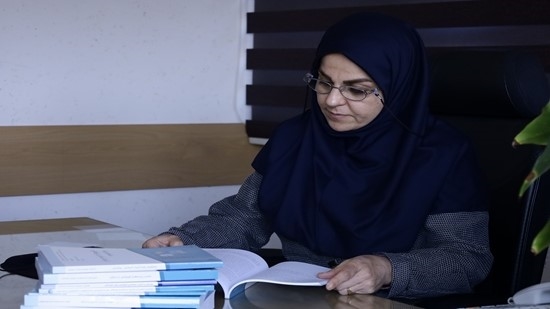
Autism is Not Just a Diagnosis, It Represents Different Experiences of the World
The Head of the Speech Therapy Department at the University of Social Welfare and Rehabilitation Sciences stated: Understanding autism goes beyond clinical diagnosis, it must be viewed as an endeavor to recognize differences in communication and the diverse spectrum of human experience.
According to the university’s web reporter, Dr. Atieh Ashtari, Head of the Speech Therapy Department at the University of Social Welfare and Rehabilitation Sciences, referring to this year's April theme, Autism and Humanity, noted: This theme serves as a reminder that autism is not merely a clinical diagnosis or a therapeutic field, it is an invitation to a deeper understanding of human diversity. When we speak of autism, we are actually talking about diverse ways of experiencing the world, which requires a more humanistic and inclusive perspective.
Explaining the role of speech therapy in this process, she added: Speech therapy is inherently concerned with communication, interaction, and social participation. It serves as a tool for rebuilding bridges of connection between individuals with autism and society. We strive to help parents and those around them learn how to interact more effectively with respect, patience, and awareness.
The Head of the Speech Therapy Department further referred to the department’s recent webinar titled Autism and Humanity, stating: The purpose of this session was to rethink methods of communicating with children with autism, especially in a climate where society is facing significant tension and anxiety. The pressures stemming from social and emotional crises can exhaust families, which directly impacts the quality of communication with the child.
Describing the key themes discussed in the webinar, she added: In such situations, there are several foundational principles, the most important of which are creating stability in daily routines, attending to the child's sensory needs, reducing environmental stimuli, adjusting expectations of the child, and maintaining a secure emotional connection. Parents who can maintain a calm and mindful presence practically provide the child with a sense of security and predictability.
Dr. Ashtari emphasized: The essence of human connection with individuals on the autism spectrum is not summarized in words, rather, it is defined by creating a safe, accepting, and supportive space. When we say Autism and Humanity, we are, in fact, speaking of a kind of empathy that requires listening to, seeing, and understanding human differences.

نظر دهید