
Social Work, The Wings of Flight for Cancer Patients in the Country’s Medical Centers
Social Work, The Wings of Flight for Cancer Patients in the Country's Medical Centers
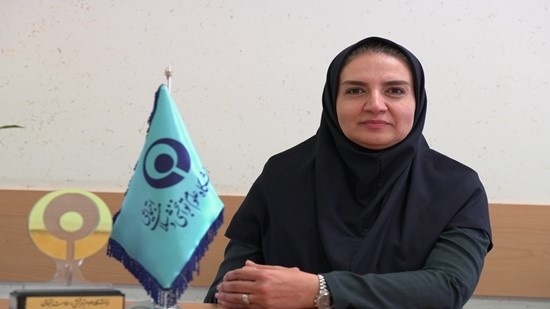
A faculty member of the Department of Social Work at the University of Social Welfare and Rehabilitation Sciences (USWR) and the executive of the national protocol for social work interventions in oncology emphasized the vital and multifaceted role of social workers in the comprehensive care of cancer patients and their families.
According to the university's Web Day correspondent, Dr. Leila Ostad Hashemi, while referring to the notification of the national protocol in 2022, stated: "These specialized interventions improve the psychological, social, and economic dimensions of patients' lives. As an integral part of treatment, they contribute to better adaptation and the reduction of suffering caused by the disease."
Emphasizing the necessity of providing specialized social work interventions, she added, "Cancer, as one of the most significant health and social challenges worldwide, requires holistic attention and care for both the patient and the family. This disease affects not only the physical body but also the psychological, social, and economic aspects of an individual's life."
The executive of the national protocol for social work interventions in oncology noted that in medical centers, the consequences of this disease for patients and families include heavy financial burdens, death anxiety, decreased quality of life, and disruption of life balance due to the complexity and length of the treatment process. Other challenges include job loss, social isolation, academic dysfunction, changes in physical appearance, enduring pain and suffering, and difficulties in accessing healthcare services in underprivileged areas.
Citing evidence, she stated that psychosocial rehabilitation improves the patient's psychological adjustment and social functioning while reducing the suffering caused by the disease and its treatment. Psychosocial support for patients, families, and caregivers is a key health policy priority, and supportive interventions are considered an inseparable part of cancer treatment.
Based on the Ministry of Health and Medical Education's care policies, the protocol for specialized social work interventions in oncology for the psychosocial care of patients and family caregivers was drafted and disseminated to medical centers nationwide in 2022. Currently, hospital social workers in all national cancer hubs provide social rehabilitation services to patients and their families.
She further noted: "As a bridge between the medical team and patients during various stages of diagnosis and treatment, these social workers collaborate with specialists such as physicians, nurses, psychiatrists, and psychologists. Working as a team, they provide a diverse range of required services, including general support, assistance in adapting to the diagnosis, reducing emotional trauma, providing supportive and palliative care for terminal patients, and offering professional companionship to the patient and family. Services such as individual and group counseling, advocacy, empowerment, resource management, and educational and community-based interventions are among other actions taken by social workers to mitigate the effects of the disease and facilitate the patient's return to normal life."
Dr. Ostad Hashemi also pointed out that due to high emotional sensitivity, providing services in the field of oncology requires attention to the mental health of specialists and professional caregivers. Policymakers must prioritize the prevention of burnout and occupational fatigue in this field.

نظر دهید