
Authoritarian and Helicopter Parenting A Direct Path to Addiction
Authoritarian and Helicopter Parenting A Direct Path to Addiction
The director of the university's Center for Substance Abuse and Addiction Research warned that wrong parenting patterns, by stripping adolescents of their independence and decision-making power, make them vulnerable to environmental pressures and prone to addiction.
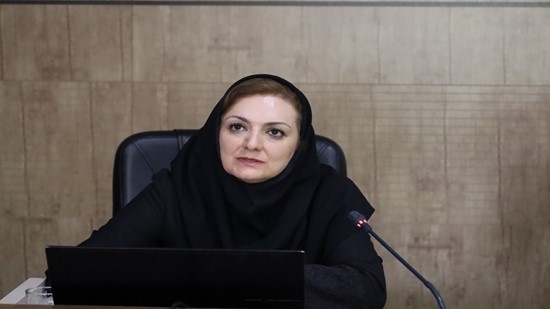
According to the university web-day reporter, Dr. Ghoncheh Raheb, the director of the Center for Substance Abuse and Addiction Research at the University of Social Welfare and Rehabilitation Sciences, emphasized the vital role of the family in preventing social harms.
Referring to the fact that the family is the first environment for the formation of behavioral patterns, she stated that the type of interaction between parents and children can either act as a defensive shield or serve as a factor in increasing the risk of addiction.
In analyzing harmful patterns, Dr. Raheb identified helicopter parenting and authoritarian parenting as the two main factors weakening resilience in adolescents. She added: Helicopter parents, through excessive support and by depriving children of the opportunity to experience the consequences of mistakes, hinder the growth of a child's independence; on the other hand, authoritarian parents, by relying on intense control and punishment, destroy the space for effective dialogue and create an environment for secrecy and risky behaviors to emerge.
In contrast, the director of the Center for Substance Abuse and Addiction Research introduced the authoritative parenting style as the golden model. She emphasized that in this style, combining emotional support with logical rules and intelligent supervision leads to strengthening self-confidence and problem-solving skills in children.
Dr. Raheb concluded by noting that educating parents to create a balance between affection, supervision, and granting independence is one of the key solutions for addiction prevention.
She called for the development of educational programs and family-centered interventions to strengthen social health.
It is worth mentioning that in this regard, the Strong Family educational workshop, aimed at empowering parents and held in collaboration with the Center for Substance Abuse and the university's public relations department, was conducted with the presence of staff, and participants in this session received educational certificates.

نظر دهید