
Elderly men are silent victims of domestic violence
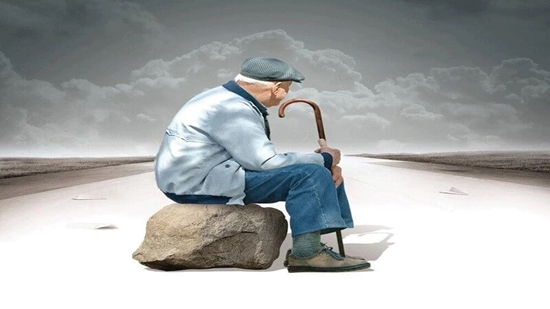
Elderly men are silent victims of domestic violence
A faculty member of the university, warning about the hidden nature of violence against elderly men, said: Scientific evidence shows that elderly men are significantly exposed to various types of domestic abuse, neglect, and abandonment, but due to cultural beliefs, masculinity stereotypes, and the fear of not being believed, they report these cases less frequently.
According to the university web-day reporter, Dr. Yadollah Abolfathi Momtaz, a faculty member of university of social welfare and rehabilitation sciences, said during Men's Health Week: violence against the elderly is a concerning phenomenon that is often associated with the image of elderly women being victims; however, scientific evidence and recent studies show that elderly men are significantly more exposed to various types of domestic abuse than women, but due to cultural and social reasons, they remain silent and report these cases less frequently.
Elder abuse is reported less in men
This professor of geriatric mental health, while explaining this phenomenon, stated that while the overall rate of elder abuse in the world is about 15 percent, some international studies in countries such as Sweden, Italy, and Australia have reported that the prevalence of neglect and abandonment in elderly men is even higher than in women. He added: This occurs while men, due to traditional beliefs and masculinity stereotypes, are less inclined to express weakness and talk about their problems.
Masculinity stereotypes prevent elderly people from expressing their problems
Dr. Abolfathi Momtaz continued: " Traditional culture has taught men that they must be self-sufficient and strong, and talking about problems is a sign of weakness. These stereotypes cause elderly men to hide their problems. Pointing to the factors increasing the vulnerability of elderly men, he stated: the loss of identity after retirement, increased dependence on a spouse for care, and also the loss of the traditional role as the family breadwinner, increase their vulnerability to abuse.
Fear of not being believed; a serious barrier to reporting violence
Dr. Abolfathi Momtaz also pointed to the serious barrier of the fear of not being believed and said, society and even sometimes the health system see men more as perpetrators of violence than as victims. This stereotypical perception makes elderly men afraid that if they report abuse, no one will believe them. The faculty member of the University of Social Welfare and Rehabilitation Sciences added that existing social and cultural norms play a significant role in preventing the reporting of domestic violence against elderly men.
The necessity of creating male-friendly support services
He emphasized that although elder abuse in men is hidden, it has a significant prevalence and requires serious attention. Changing gender attitudes, training health professionals to be more sensitive to this issue, creating male-friendly support services, and encouraging men to report abuse are necessary steps to protect our fathers, grandfathers, and brothers. Dr. Abolfathi Momtaz noted: " Let us break the silence, because men, like all humans, need love and support and are not invincible.

نظر دهید