
From late talking to stuttering the vital role of early diagnosis in children’s speech health
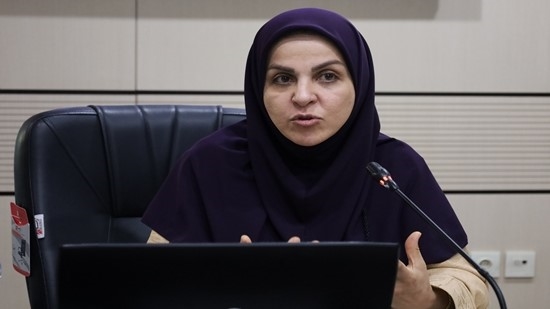
From late talking to stuttering the vital role of early diagnosis in children's speech health
Speech-language pathologists at the University of Social Welfare and Rehabilitation Sciences, noting that many language and speech disorders have developmental and genetic roots, emphasized the necessity of identifying warning signs from the early years of childhood and considered early interventions the most effective strategy for improving children's communication and learning skills.
According to the university web-day reporter, Dr. Atiyeh Ashtari, director of the university's speech therapy department, stated that speech development is a continuous process and should not be monitored intermittently, adding that many developmental language disorders are lifelong and may have genetic roots.
Referring to the importance of narrative skills and storytelling in school, she clarified that children who are late talkers and have a limited vocabulary between the ages of 2 and 2.5 years will face serious problems with concept comprehension and educational processes if they do not receive specialized intervention from speech therapists.
Dr. Ashtari further added that although boys' speech development is on average about 6 months later than girls', both groups reach the same expected level at one year of age.
Emphasizing that 7 to 14 percent of the population is affected by developmental language disorders, she identified early interventions as the only effective way to assist children on the autism spectrum and those with other speech and language development disorders.
In another part of this session, Dr. Mersedeh Imani Shakibaee, a faculty member of the university's speech therapy department, examined psychogenic speech disorders (stuttering) and articulation disorders. Refuting false beliefs that stress is the primary cause of stuttering, she stated that approximately 60 percent of children who stutter have a family history.
This faculty member clarified that treating stuttering in children under 6 years of age has much higher effectiveness, and maintaining the child's self-esteem through strengthening communication with peer groups and providing spiritual and psychological support from the family and environment is an inseparable part of the treatment process to prevent speech and language damage.
Referring to the concerning statistics of articulation disorders, Dr. Imani Shakibaee stated that 13 to 14 percent of children in the country are affected by these disorders, which are considered the most common speech disorder in childhood. She emphasized that parents should consult a speech therapist as soon as they observe a child's inability to pronounce sounds at the age of 3 so that standard diagnostic assessments can be conducted.
At the conclusion of the session, the participating experts agreed that the presence of individuals in children's communication circles and raising awareness among families play a key role in the success of treatment. Additionally, the necessity of special attention to speech therapy interventions in specific conditions, such as cleft palate and hearing loss, was emphasized as a public health priority in the field of pediatrics.

نظر دهید