
Investing in the first thousand days of life is the most vital economic and social strategy for a country
Investing in the first thousand days of life is the most vital economic and social strategy for a country
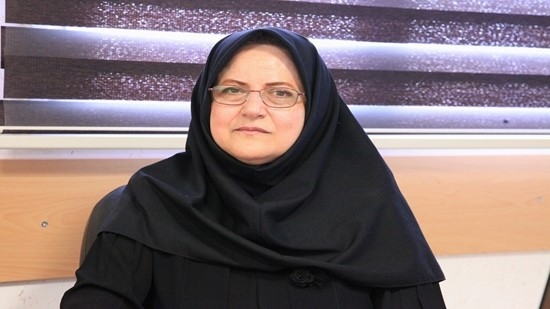
The Director of the Center for Pediatric Neuroscience Research, speaking alongside World Children's Day, emphasized the critical importance of the “first thousand days of life” (from pregnancy to the end of the second year) as the period during which 80 percent of a child’s brain develops.
According to a report by WebDay University journalist, Dr. Farin Soleimani, Director of Pediatric Neurorehabilitation Research Center at the university, on the occasion of World Children’s Day, referred to the fundamental importance of the early years of life regarding the direct impact of prenatal care and the first two years of life on the future of children and society.
He stated: The first thousand days of life—from the start of pregnancy to the end of the second year—are a critical period during which the brain builds more than 80 percent of its final volume and is highly vulnerable to nutrition, stress, and the quality of environmental interactions. Optimal care, including adequate nutrition for the mother and infant (especially breastfeeding), vaccination, promoting development through play and dialogue, and protecting against harmful stimuli, has a profound effect on the child’s cognitive, motor, and emotional development.
The first eight years of life: a multi-fold return on investment
The Director of Pediatric Neurorehabilitation Research Center described investing in the growth and development of children in the first eight years as one of the most productive social actions from an economic perspective. Citing international evidence, he stated that early interventions can yield economic returns of 7 to 13 times their initial cost. This benefit arises from reduced heavy costs in the educational system (fewer failures and dropouts), reduced financial burden on the health system (lower rates of depression, crime, and reliance on social supports in adulthood), and increased future job productivity and earnings of children, which positively affect the country’s Gross Domestic Product (GDP).
A pathway to social justice
In conclusion, she noted that effective developmental supports, especially for children in vulnerable groups, reduce the skills gap and lower the likelihood of intergenerational poverty. This represents a significant step toward achieving social justice. In short, promoting early development is not merely a health or educational measure; it is a national strategy with very high economic returns for building a healthier and more prosperous future for the country.

نظر دهید