
Occupational Therapy: The Golden Key to Independence and Improving the Quality of Life for the Elderly
Occupational Therapy: The Golden Key to Independence and Improving the Quality of Life for the Elderly
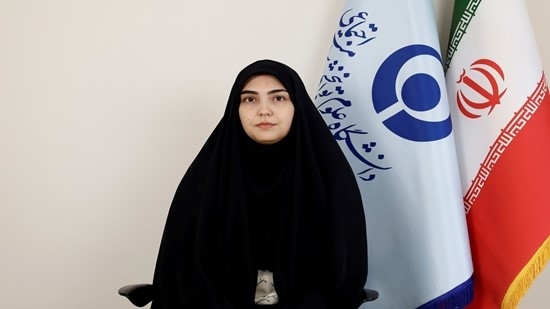
A faculty member of the Occupational Therapy Department at the University of Social Welfare and Rehabilitation Sciences, who emphasized the importance of the occupational therapy approach in old age, described the specialty as a vital tool for maintaining the elderly's independence and safety.
According to the university's web correspondent, Dr. Fatemeh Ghasemifard, a faculty member of the Occupational Therapy Department at the University of Social Welfare and Rehabilitation Sciences, emphasizing the importance of the occupational therapy approach during old age, stated: Many believe that elderly care is limited only to improving physical diseases, but occupational therapy, with a more comprehensive perspective, focuses its goal on the individual's participation in meaningful activities. By accurately assessing capabilities and limitations, occupational therapists strive to balance what the elderly person can do with what they need to live.
Fall Prevention: A Priority in Geriatric Health
This faculty member identified the risk of falls and resulting injuries as one of the main challenges of old age and added: By assessing balance, modifying the living environment, and providing proper training on the use of assistive devices, occupational therapists not only prevent falls but also reduce the fear of falling and restore the elderly person's self-confidence for mobility and activity.
Cognitive Rehabilitation: Managing Independence in Chronic Diseases
Referring to the role of occupational therapy in managing diseases such as Alzheimer's, dementia, and Parkinson's, Dr. Ghasemifard said: Occupational therapy specialists help the elderly manage their memory, attention, and planning functions through cognitive rehabilitation programs, enabling them to perform daily and social activities with minimum dependency as much as possible.
Safe Environment: From Structural Modification to Family Training
Continuing by noting that occupational therapy also covers the elderly person's support network, she emphasized: Structural modifications to the home to secure the environment and training families to provide principled support in a way that preserves the elderly person's individual independence are among the most important parts of occupational therapy support protocols.
The Ultimate Goal: Quality and Meaningful Aging
Dr. Ghasemifard concluded by noting: The ultimate goal of occupational therapy is not merely to increase physical capabilities; rather, it is to provide a platform so that each individual can experience the meaningful activities of life based on their own interests and values. With timely occupational therapy interventions, old age can be transformed into a period full of participation, activity, and high quality of life.

نظر دهید