
Occupational Therapy: The Silent Supporter of Families Dealing with Alzheimer’s
Occupational Therapy: The Silent Supporter of Families Dealing with Alzheimer's
A faculty member of the university's Occupational Therapy Department, emphasizing that interventions in this field act as a bridge between patient independence and caregiver comfort, stated: By facilitating daily activities and simplifying the living environment, occupational therapists not only preserve the independence of the affected individual but also lift the heavy burden of care from families by reducing physical and psychological pressures.
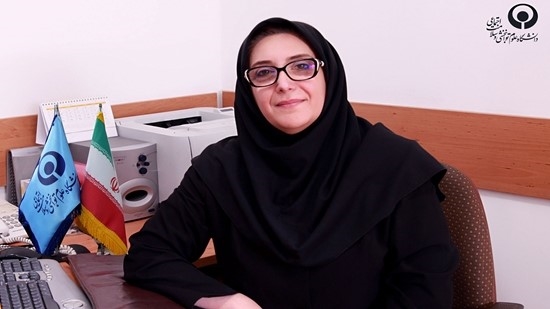
According to the report from the web correspondent, Dr. Nazila Akbarfahimi, a faculty member of the Occupational Therapy Department at the University of Social Welfare and Rehabilitation Sciences, while examining the hidden challenges of care on World Alzheimer's Day, warned: Primary caregivers who spend long hours beside the patient struggle with hidden pressures such as chronic fatigue, musculoskeletal pain, sleep disorders, and social isolation; if left unaddressed, this will lead to complete psychological burnout.
Managing Challenging Behaviors by Looking at the Cause, Not Stubbornness
Emphasizing a shift in perspective when dealing with patient behaviors, Dr. Akbarfahimi cited resistance to bathing and said: Many caregivers see these behaviors as stubbornness, but the root is often fear (for example, fear of falling), embarrassment, or cognitive confusion. She clarified: Our professional recommendation is to replace insistence and argument with environmental simplification and providing choices; an approach that significantly reduces psychological pressure for both parties.
Occupational Therapy: A Bridge Between Patient Independence and Caregiver Health
Explaining the role of this field in the care process, a faculty member in the Occupational Therapy Department added: The goal of occupational therapy is not only to treat the patient but to support the individual's independence in daily activities such as dressing, eating, and mobility. By accurately assessing the living environment and simplifying activities, occupational therapists remove the heavy physical and psychological burden from the shoulders of caregivers, allowing them to continue care with higher quality.
Self-Care: A Necessity, not a Luxury
In the final part of her remarks, Dr. Akbarfahimi stated that self-care for caregivers is a vital necessity, noting: Families should not assume that they must shoulder the responsibility of care alone. Dividing tasks and utilizing professional help during times of helplessness is not a sign of weakness, but rather a smart strategy to continue supporting the patient.
She concluded this message with a thought-provoking sentence: The caregiver is not a tool for care; they too are a human being who needs care.

نظر دهید