
The Anxiety of Not Knowing: The Psychological Root That Leads Us to Labeling
The Anxiety of Not Knowing: The Psychological Root That Leads Us to Labeling
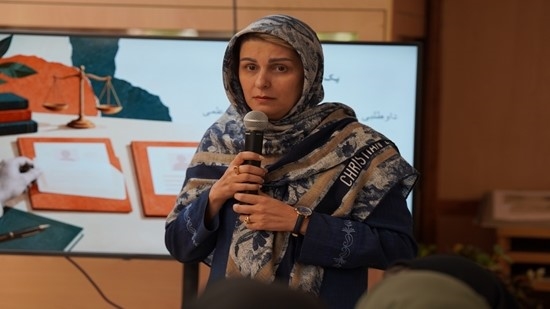
In the latest scientific event at Book Cafe, Dr. Bentulhoda Mousavi, a faculty member of the Psychiatry Department at the university, identified the anxiety of not knowing as the primary psychological root that drives people toward labeling.
According to the university's web correspondent, Dr. Bentulhoda Mousavi, a faculty member of the Psychiatry Department at the university, referred to the narrow boundary between diagnosis and labeling during the Book Cafe scientific event. In explaining the difference between a clinical diagnosis and labeling, she stated: Labeling occurs when a pre-constructed and stereotypical image replaces a real encounter with the individual and their documented information. She warned that in such conditions, the name of a disorder can incorrectly become the basis for judgment regarding a person's entire personality, abilities, and future.
Rooting the Anxiety of Not Knowing
Continuing her speech, she examined the psychological reason for resorting to stereotypes and added: Encountering unfamiliar people or situations can trigger the anxiety of not knowing in humans. Sometimes, to reach a sense of certainty, individuals rely on frozen knowledge and ready-made perceptions; although this perspective may reduce momentary anxiety, it prevents a real and deep understanding of the person.
She added: Although diagnosis is essential for the treatment process, it should not be forgotten that every affected individual is a human being with a unique history, relationships, and complexities who must be seen beyond their diagnostic title.
The Role of Society and the Necessity of Changing Perspectives
Another part of the discussion was dedicated to the image of Aminabad and the Razi Psychiatric Center in the public mind. In this section, the role of everyday language, education, and the experiences of patients and families in forming or reducing stigma was examined. Furthermore, the importance of decision-making based on evidence and fair criteria, listening to the voices of people with lived experiences, and providing a safe and respectful environment for seeking help was emphasized to prevent the reproduction of stereotypes in society.

نظر دهید