
Traffic accidents are one of the three main causes of unnatural deaths
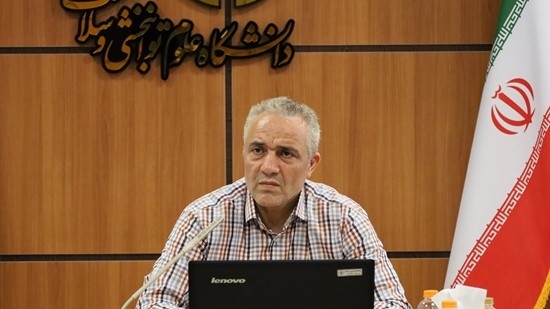
Traffic accidents are one of the three main causes of unnatural deaths
Traffic accidents remain one of the leading causes of death, disability, and injury worldwide. The head of the Center for Health in Emergency and Disaster at the University of Social Welfare and Rehabilitation Sciences says: Traffic accidents are dangerous events that claim the lives of millions of people every year and involve hundreds of thousands of families in loss, disability, crippling costs, and psychosocial consequences.
According to a report by the Web Day University correspondent, Dr. Hamidreza Khankeh, head of the Educational Group of the Center for Health in Emergency and Disaster, in a note on World Day of Remembrance for Road Traffic Victims (November 21, 2025), noting that in Iran, despite significant progress in road safety and pre-hospital care, traffic accidents remain one of the three main causes of unnatural deaths and claim thousands of lives each year, he wrote: This day is not only a reminder of a statistic; it is a confirmation of the reality that traffic accidents are a public health crisis and a social health issue. Social inequalities, economic and livelihood conditions, inadequate infrastructure, psychological pressures and fatigue, corruption, unsafe vehicles, risky behaviors, and unsafe urban environments all play a role in the occurrence of these accidents.
Dr. Khankeh, considering the rising trend of traffic accidents, stated: In the current conditions of Iran and the region, which face political tensions, economic crises, and wear and tear of health systems, the vulnerability of various segments of society—especially youth, workers, and low-income families—to traffic accidents has increased.
A social health approach reminds us that preventing traffic accidents is not sufficient by focusing only on individuals or drivers. We must create safer environments, safer vehicles, a more comprehensive and responsible transportation network, and fairer policies. From this perspective, key measures include the following:
Safe, affordable, and accessible public transportation development;
Provision of standard and safe vehicles;
Enhancing social equity in urban design and road safety;
Strengthening education, health literacy, and a traffic safety culture, especially among high-risk groups;
Psychosocial support for families in mourning and accident survivors;
Strengthening emergency medical services and hospitals to be resilient in crises;
Scientific, cross-disciplinary analysis of crash data to inform evidence-based policy.
Dr. Khankeh, the head of the Educational Group of Health in Emergency and Disaster, added: Globally, alongside emerging crises such as wars, climate change, mass migrations, and the rising vulnerability of societies, the risk of traffic accidents has become more influenced by social and environmental conditions than ever. The global attention to this issue demonstrates that road safety and safe transportation are human rights and prerequisites for sustainable development, as explicitly emphasized in the Sustainable Development Goals (SDGs) and the global Decade of Action for Road Safety.
At the end of this note, on this day, Dr. Khankeh, while paying homage to victims and survivors, again stressed the necessity of collective action, intersectoral accountability, and a social approach to traffic safety. He stated that the Center for Health Research in Accidents and Disasters, as a national hub, remains ready to collaborate with the Ministry of Health, the Traffic Police, municipalities, NGOs, and universities across the country to take an effective step in reducing road casualties and promoting social health through research, education, and evidence-based policymaking.
With hope for a safer future for Iran and for all people worldwide.

نظر دهید