
University hospital services to be strengthened through optimization and industry linkages
University hospital services to be strengthened through optimization and industry linkages
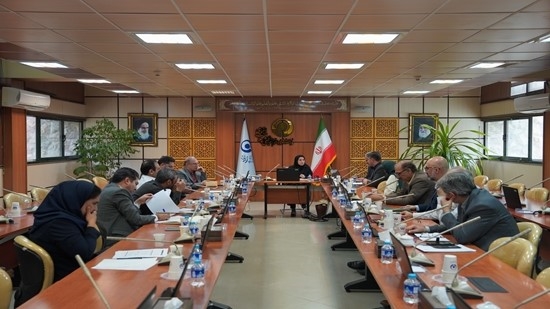
The second meeting of the Productivity Working Group of the University of Social Welfare and Rehabilitation Sciences, emphasizing the transition from study programs to operational actions, resulted in approvals regarding the improvement of therapeutic center capacity utilization, cost management, and the development of problem-oriented research.
In the second meeting of the Productivity Working Group of the University of Social Welfare and Rehabilitation Sciences, working group members and representatives from various vice-chancellorships reviewed the actions taken and identified opportunities to enhance productivity, emphasizing the necessity of moving from study-based plans toward operational and result-oriented actions.
Seyyed Mahdi Mohsenzadeh, Head of the Department of Treatment Economics, Standards, and Health Technology, stated regarding the meeting: In the field of therapeutic services, the main axis of decisions was based on increasing the utilization of existing capacities. In this regard, it was decided:
Rofeideh Rehabilitation Hospital: To increase revenue, proposals for assigning a portion of operating room capacity to the private sector (in the form of lease contracts or evening shifts) will be drafted, while adhering to scientific standards and care limitations. Additionally, exploring the possibility of providing services with higher comfort (such as special beds) for groups such as retirees was placed on the agenda.
Razi Psychiatric Hospital: Focusing on self-sufficiency in non-clinical services (such as nutrition, green spaces, and general services) and collaborating with the Welfare Organization for the optimal referral of chronic patients, the hospital seeks to improve operational productivity.
Development of Outpatient Services: With the goal of revitalizing the Shush Clinic and reducing the distance traveled by clients, the issue of strengthening psychiatric visit services and attracting patients seeking hospitalization was referred to the university's Board of Trustees. Furthermore, providing the necessary infrastructure to conclude contracts with supplementary insurance companies to facilitate patient access was announced as a main priority.
He mentioned the transformation of the supply chain and cost management as other topics of the meeting, adding: To control costs and increase the speed of goods procurement, the working group emphasized two key strategies:
1. Consolidation of Purchases: Centralizing procurement processes and consolidating the scattered purchases of the university and its affiliated centers to prevent resource waste and increase transparency.
2. Long-term Contracts: Exploring the possibility of concluding strategic contracts with manufacturers for the supply of essential items and equipment to ensure supply stability and reduce the final cost.
Strengthening the Research Position and Industry Linkage
In the research and education section, the focus was on problem-oriented research and attracting financial resources. It was decided:
Reducing Research Bureaucracy: The Research Vice-Chancellery will review administrative processes related to attracting and implementing grants, making the facilitation of researchers' affairs and the attraction of research funding main performance indicators.
Directing Theses: In cooperation with the Educational Vice-Chancellery, a plan will be developed to align the topics of Master's and PhD theses with the actual needs of industry and society, so that scientific achievements are transformed into usable products and technologies.
At the end of the meeting, it was emphasized that the working group's main priority is the implementation of projects that are feasible in the short term and simultaneously lead to cost reduction, revenue increase, activation of unused capacities, and improvement of client satisfaction. It was decided that all responsible units provide progress reports and highlight obstacles to the implementation of these approvals in future meetings.

نظر دهید